The FCC adopted a Report and Order (FCC 26-81) on Nov. 19, 2026 and released it on Nov. 20. It opens the 450 MHz band to air-ground data services under a voluntary transition to one nationwide license. The vote was 3-0. Chairman Carr and Commissioner Trusty issued separate statements.
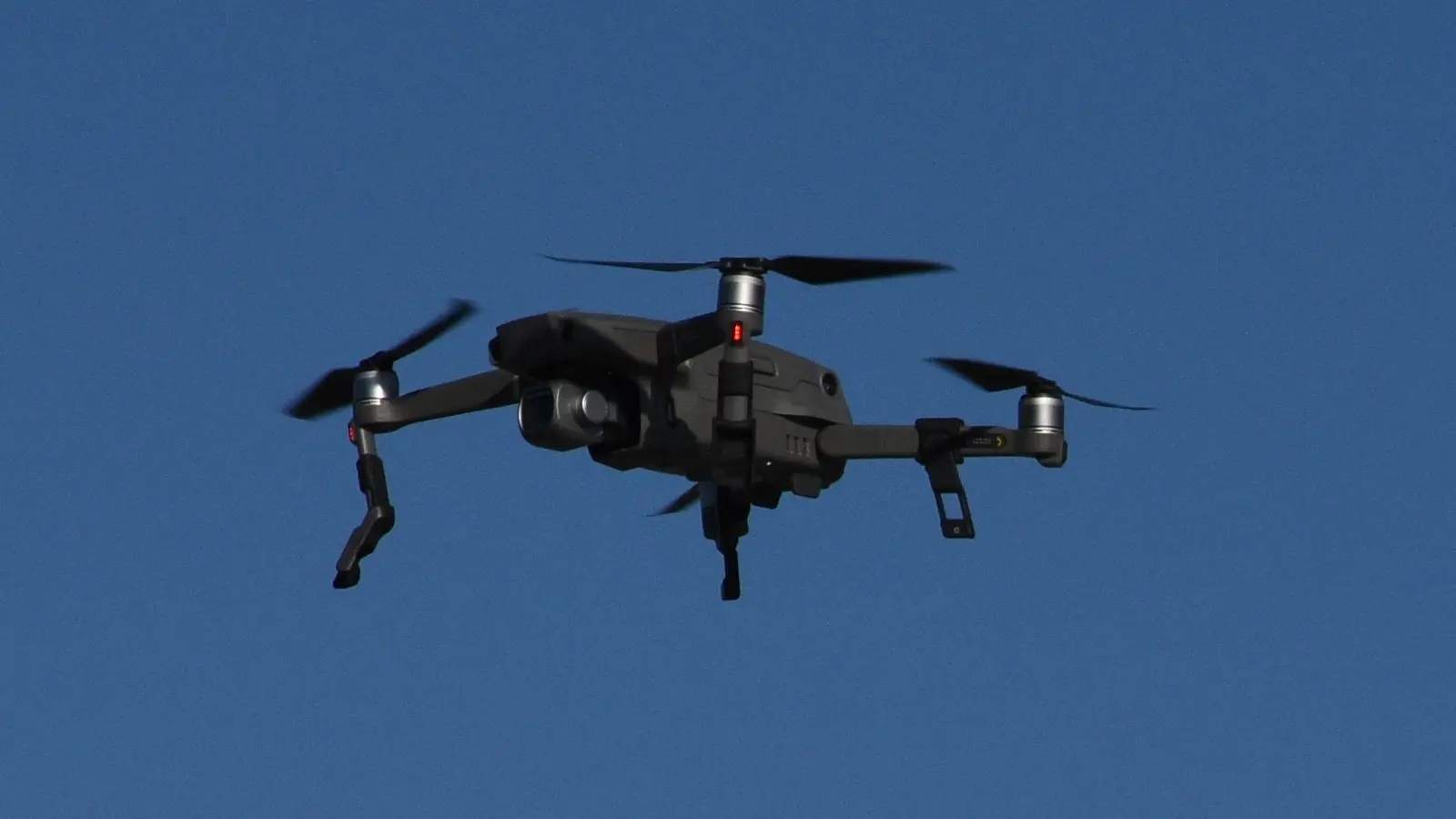
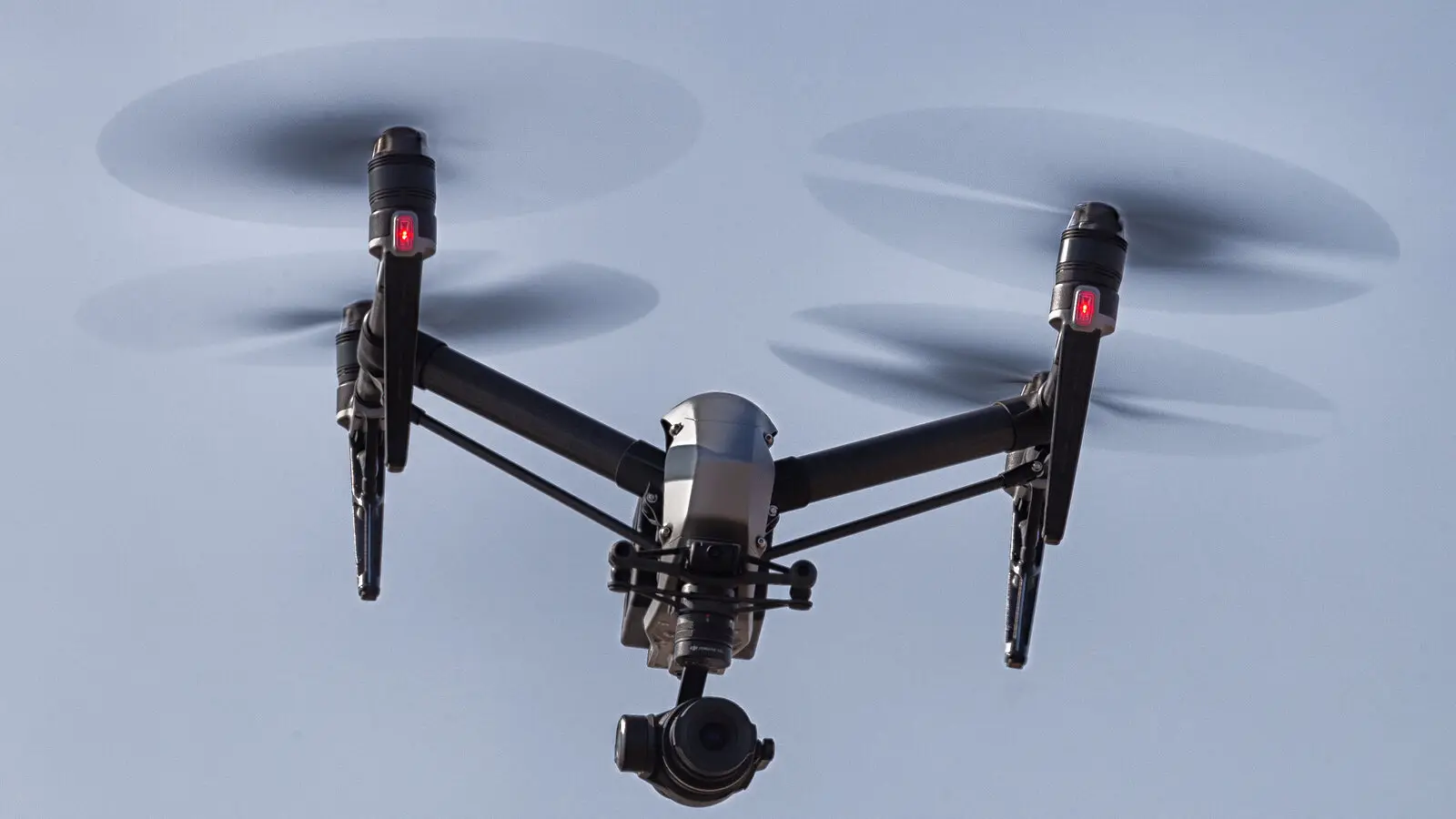
The order covers ground-to-aircraft safety-of-flight data, including drone control and non-payload communications (CNPC). The FCC news release says the rules replace outdated, site-by-site rules with a more flexible nationwide licensing system.
What the order does
- One nationwide license. AURA Network Systems is the only incumbent licensee and holds all existing site licenses. The order calls AURA the "presumptive nationwide licensee." If AURA ever stops, a successor licensee chooses a performance option.
- A standard for drone links. A licensee that uses the band for drone control and non-payload data must follow the standards referenced in RTCA DO-406, or a successor standard the FCC adopts, to meet its construction requirements. For voice to general aviation it may use any technology.
- Filing freeze lifted. The temporary freeze on new 450 MHz applications, in effect since Jan. 17, 2025, is lifted as unnecessary now that the order is adopted.
- Other bands. The order also adopts ground-based radiolocation for drone detection in 24.45-24.65 GHz and updated rules for the 800 MHz commercial aviation air-ground service.
Performance options, including 400 feet
The licensee elects one option when it files its Notice of Construction. Each has an interim benchmark at 4 years and a final benchmark at 8 years.
Option 1, high and medium altitude
- Interim: 25,000 feet above sea level over 100% of the contiguous U.S. (CONUS) and Hawaii and 13% of Alaska, plus 5,000 feet above sea level over 50% of CONUS and Hawaii.
- Final: 25,000 feet over 100% of CONUS and Hawaii and 25% of Alaska, plus 5,000 feet over 90% of CONUS and Hawaii.
Option 2, low altitude
- Interim: service at 400 feet above ground level over 35% of CONUS and Hawaii and 9% of Alaska.
- Final: 70% of CONUS and Hawaii and 19% of Alaska.
The 5,000-foot medium-altitude benchmark is new compared with the draft. It was added at AURA's request. The FCC says AURA does not expect much low-altitude demand, so the licensee is not required to meet the low-altitude metrics. The option is there for future needs. The FCC declined a request to change "at 400 feet" to "below 400 feet," consistent with FAA rules.
The FCC found that one network cannot serve both high and low altitude well with the band's limited spectrum (650 kHz), which is why the licensee picks one.
When it takes effect
The rules take effect 30 days after publication in the Federal Register. Sections 22.831, 22.833 and 22.834, which may involve new information collections, take effect after OMB review and a Wireless Telecommunications Bureau notice in the Federal Register. The Federal Register publication date is not yet known.
What we checked
We read the adopted order text on docs.fcc.gov on Nov. 20, 2026, and the FCC news release on Nov. 19. For buyers of consumer drones, nothing in the order changes what you can buy or fly today.
More from the category: our drones news hub, and DJI's court filing against the FCC.